
A hearing aid, also referred to as a hearing assistance device or hearing instrument, is a tool designed to help individuals with hearing impairment improve their auditory capability. With continuous technological advancements, hearing aids have become increasingly compact and intelligent, offering significant convenience and improvement to those with hearing difficulties. Below are some basic facts about hearing aids, which I hope will provide meaningful guidance.
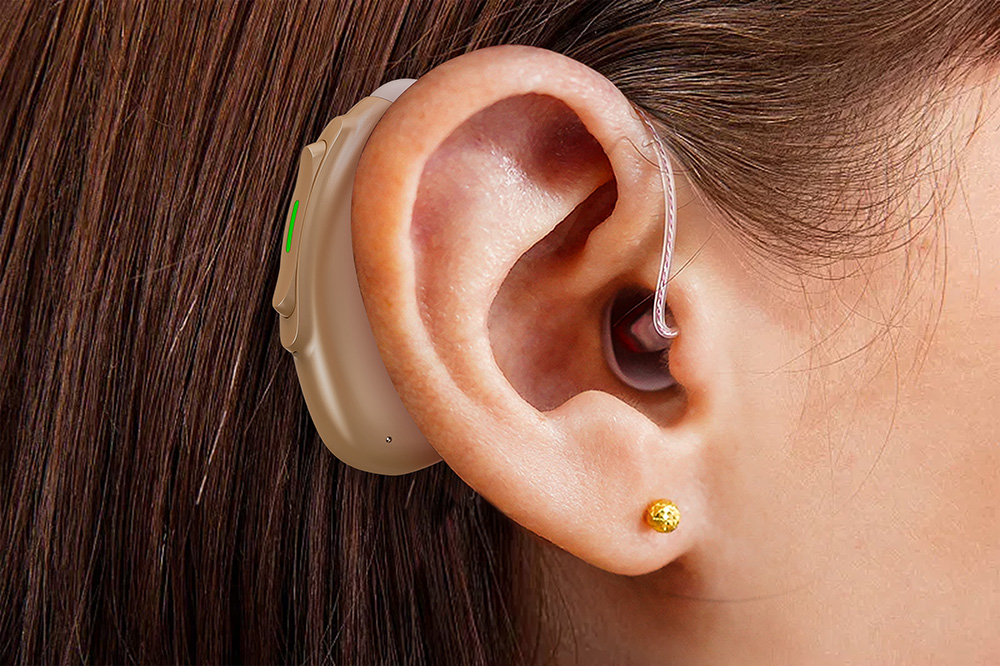
1. How Hearing Aids Work
The fundamental working principle of a hearing aid involves collecting sound through a microphone, amplifying it via an amplifier, and then delivering the amplified sound to the listener’s ear through a receiver (earpiece or earphone) . Since each person’s hearing loss is unique, hearing aids are typically adjusted and customized according to individual hearing needs to achieve the best possible auditory experience .
2. Types of Hearing Aids
There are various types of hearing aids, including Behind-The-Ear (BTE) aids, Receiver-In-The-Ear (RIE or RIC) aids, and In-The-Ear (ITE) aids . BTE aids are among the most common; their housing rests behind the ear, and sound is delivered to the ear canal via a tube and an ear tip or custom earpiece . ITE aids are more discreet, as they are custom-made to fit within the outer ear bowl, and are suitable for certain types of hearing loss . Each type has its specific application scope, and the choice should be based on the recommendations of a hearing care professional .
3. Proper Wearing Method
Correct wearing technique is crucial when using a hearing aid. First, ensure the device fits the ear properly—snugly but not too tight . Second, pay attention to cleaning the hearing aid and replacing its batteries. Regular cleaning helps reduce noise and maintain performance . Timely battery replacement prevents power failure, which can disrupt the listening experience . Additionally, after putting on the hearing aid, it’s best to gradually increase the volume rather than turning it up suddenly, allowing the ears sufficient time to adapt .
4. Adaptation Period for Wearing Hearing Aids
First-time users require an adaptation period, as the brain needs to relearn how to process sounds . It is recommended to start by wearing the aid for 1-2 hours daily, gradually increasing the usage time. The adaptation period generally lasts 1 to 3 months . During this process, begin listening practice in quiet environments before gradually transitioning to noisier settings. Start with one-on-one conversations and progressively adapt to multi-person discussions . Initially, sounds might seem unnatural or there might be a feeling of having a foreign object in the ear; this is normal and usually improves with consistent use .
5. Moisture and Humidity Protection for Hearing Aids
Hearing aids are highly susceptible to moisture. They must be removed before showering, swimming, or getting caught in the rain . After exercise or sweating, gently wipe the surface of the hearing aid with a soft cloth to remove moisture . Every night after removal, place the hearing aid in a drying box to remove internal moisture; the drying agent should be replaced when it changes color . During the rainy season or in humid regions, using an electric dryer for deeper dehumidification is advisable . Never use a hairdryer or microwave to dry a hearing aid, as high temperatures can damage its internal components.
Post time: 十二-08-2025